
Visiting Malaysia, and in particular the island of Borneo, had been on our minds for a while. We had originally booked this trip for February 2021, but, of course, it was cancelled due to the Covid pandemic. After Malaysia lifted all Covid-related travel requirements in August 2022, we decided to spend our next winter holidays there.
Johnny and I had previously visited Malaysia in January 2006, spending ten days mostly on Langkawi and surrounding small islands, with a couple of days in Kuala Lumpur. This time, we planned to divide our time between Borneo, Penang, and Kuala Lumpur. Finding reasonably priced flights from Nice had become tricky, so we eventually settled on a good deal departing from Milan Malpensa, about four hours’ drive from home.
Since our Qatar Airways flight departed at 9:30 a.m., we went to Milan the day before, staying at Cardano Hotel Malpensa, just ten minutes from the airport. The nearby town of Gallarate offered a good selection of restaurants, and we enjoyed a delicious Italian meal, knowing the next two weeks would be full of Asian cuisine—which we all love.
The following morning, the temperature was -2°C. We decided to leave our winter coats in the car, dropping the kids off at the airport with the luggage first before parking. The long-term parking cost €72 for 13 days and was only a three-minute walk from the terminal—though it felt quite chilly with just a light sweater.
Qatar Airways once again impressed us with their service, food, and in-flight entertainment. The journey consisted of six hours from Milan to Doha, a two-hour layover, and another seven-hour flight to Kuala Lumpur.
We arrived in Kuala Lumpur at 8:30 a.m., feeling tired as it was 1:30 a.m. in France—Malaysia being seven hours ahead. Passport control was efficient, requiring only fingerprints and a photo. I exchanged some currency, getting 4.65 Malaysian ringgit for 1 euro, and bought a Tune Talk SIM card with 35 GB of data for 50 ringgit (~€11). Using an old phone as a hotspot, we shared the connection among all our devices.
To reach our accommodation, we used Grab, the local ride-hailing app similar to Uber. A six-seater from the airport to the city center (around 60 km) cost 100 ringgit (~€22).
We stayed at an apartment in Eaton Residences, just a 10-minute walk from Bukit Bintang and the Pavilion Shopping Mall. As we arrived early, the apartment was not ready, so we left our luggage and went exploring.
Feeling tired and a little unsure where to go, we decided to take a Grab to Jalan Alor food street. Although most stalls officially opened at noon, some were already serving lunch. The kids had Hainanese chicken rice, and I ordered noodles. The food was decent but unremarkable, and our appetite waned after spotting a few rats nearby. We decided to walk back through Bukit Bintang, which immediately charmed us with its clean streets, modern malls, and excellent food courts—a place we knew we’d return to later.
Our apartment booking was for a two-bedroom, two-bathroom unit at a very reasonable €75 per night, but we were pleasantly upgraded to a three-bedroom, three-bathroom apartment. Located on the 33rd floor, it offered amazing views of the Petronas Towers. The building also had a rooftop infinity pool, gym, outdoor terraces, relaxation areas, a playground, and an outdoor gym, making it the perfect base for our first night in Malaysia.
Rooftop


Bedroom and bathroom with a view


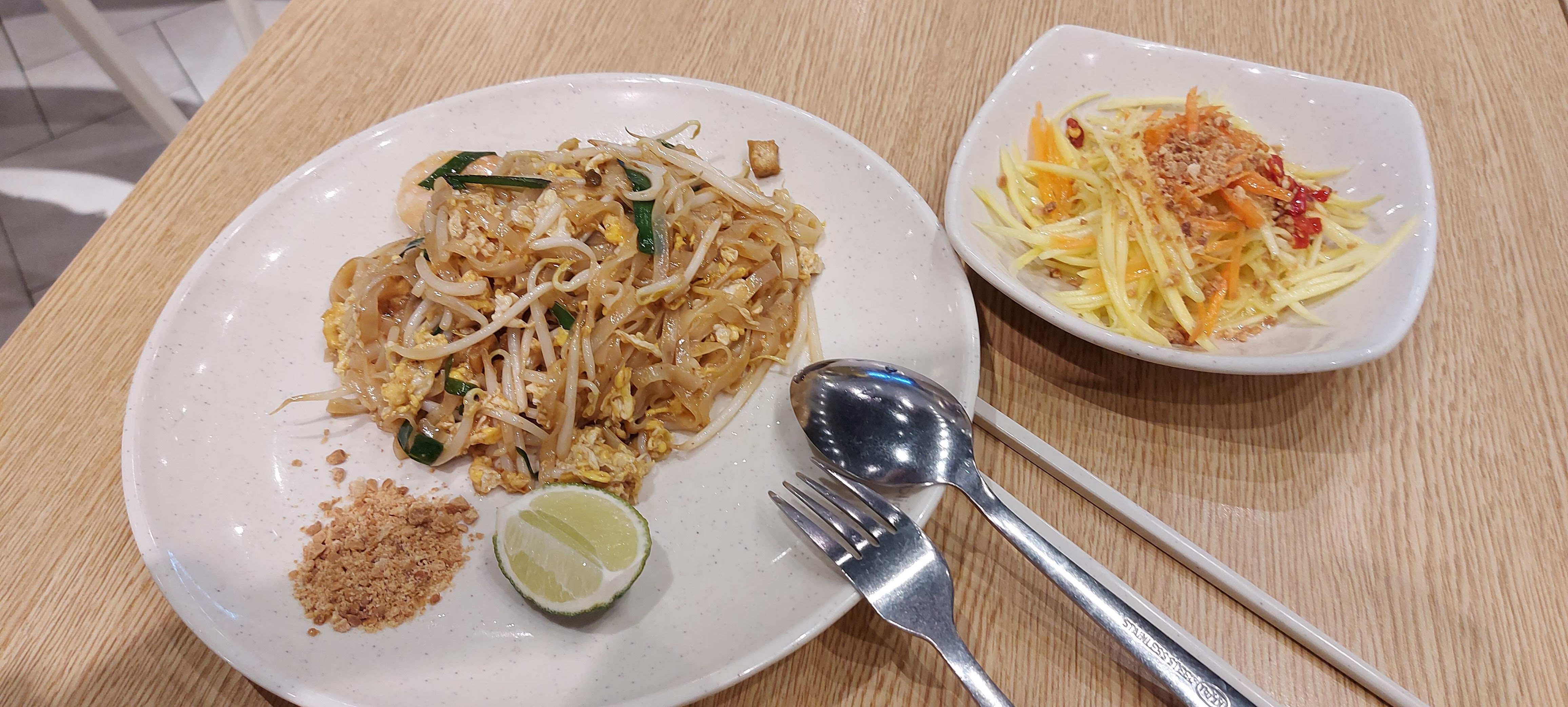
After a short rest in the apartment and our first dip in the rooftop pool, we headed back into the city. This time, we had dinner at the Pavilion Mall food court. The space was enormous, with an incredible variety of options, and we were completely spoilt for choice. Each of us picked a different stall, and everything we tried was delicious—I opted for a Thai mango salad and veggie pad Thai combo for under three euros.
The next day was fully dedicated to exploring Kuala Lumpur before our evening flight to Sandakan in Borneo. We wandered around the city, soaking in the tropical climate and sampling the amazing food available everywhere—even the onigiris from 7-Eleven were surprisingly good!
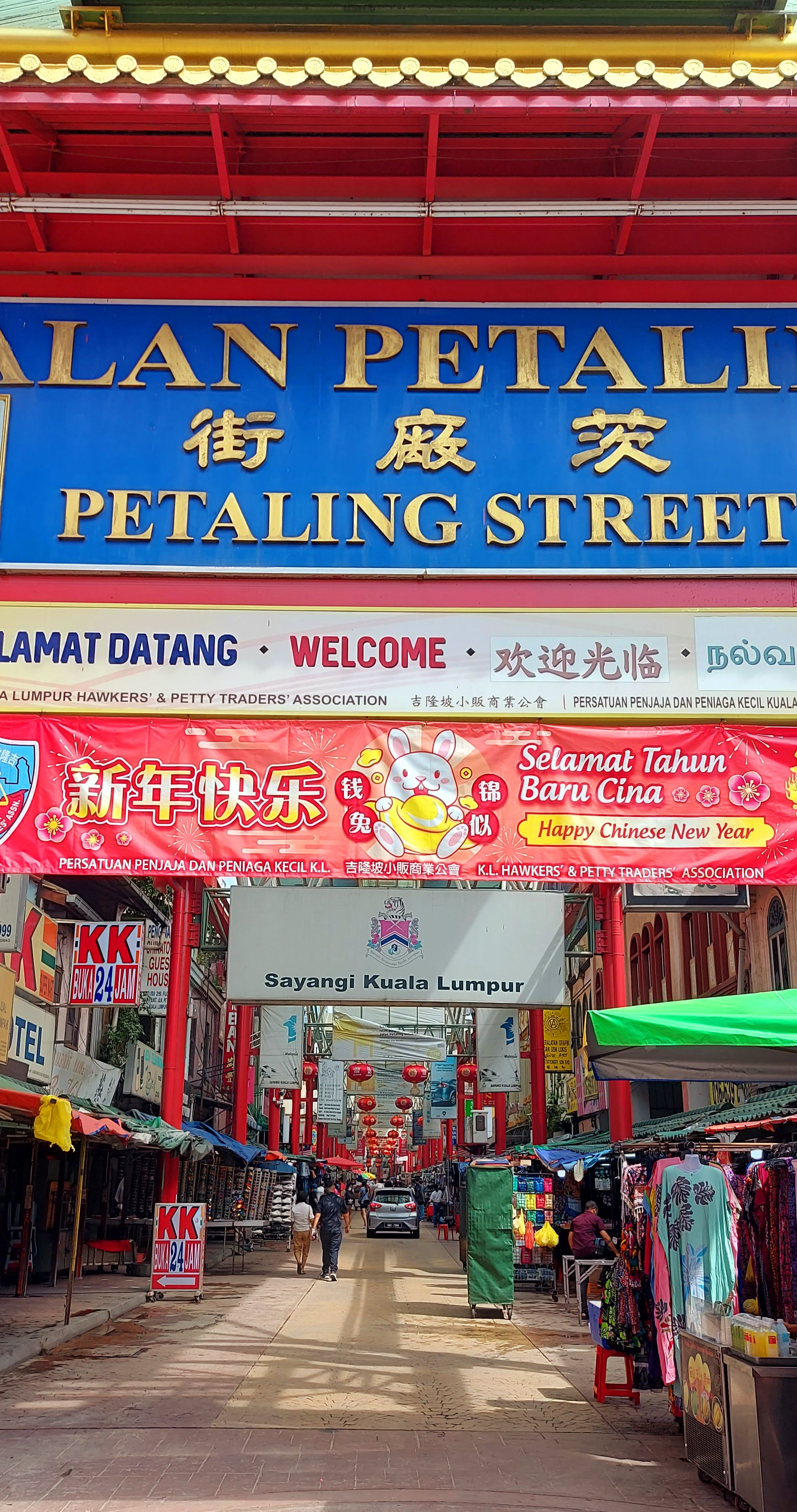
We visited the vibrant Chinatown and Petaling Street, marveling at how seamlessly Malaysia’s diverse cultures coexist—Malay, Chinese, and Indian communities live together peacefully, each with their own traditions and places of worship. We also took the opportunity to see Merdeka 118, the second tallest building in the world. Although still under construction and not yet open to the public, it was an impressive sight—and conveniently also visible from our apartment window.



For lunch, we returned to the Pavilion food court and decided to try a Japanese Teppanyaki stall. The portions were enormous—so much so that even the teenagers, who are usually always hungry, couldn’t finish their meals.

Borneo Island, Sabah - Sandakan, Kinabatagan River and Kota Kinabalu
The flight from Kuala Lumpur to Sandakan, a small town on the northeastern corner of Borneo, took nearly three hours. Although it was a domestic flight, we still went through passport control and had our passports stamped upon arrival. We checked in at Hotel Elopura, a simple hotel in the town center, and took a short walk before having dinner at a local Chinese restaurant. Borneo, the third-largest island in the world, is renowned for its unique flora and fauna—and that was exactly what we had come to experience. Sandakan itself is a small town, primarily serving as a gateway for visitors exploring the wildlife of Malaysian Borneo.


I had reserved a three-day, two-night tour with Borneo Eco Tours to make the most of our limited time on Borneo, and they were scheduled to pick us up from our hotel at 8 a.m. the next morning. I had researched many options to optimize our wildlife experience, and I was particularly excited about staying at Sukau Rainforest Lodge, an award-winning lodge located deep in the rainforest. Accessible only by boat, it had even served as a base for the BBC crew while filming the Borneo segment of the Our Planet documentary series. Staying there was only possible as part of a tour, as there was nothing else around, so all meals and excursions were provided during the stay.
Our first day began with our guide, Jonathan, meeting us at the hotel and then picking up two other families from their accommodations. We shared all our programmed tours and river safaris with these two families—one British-Indian, the other Danish—with Jonathan guiding all excursions.
Before arriving at the lodge, we visited the Sepilok Orangutan Rehabilitation Centre and the Sepilok Sun Bear Sanctuary. It is illegal—and heavily fined—to keep an orangutan or a sun bear in Malaysia, as both species are among the most endangered in the world.

Owned and run by the Sabah Wildlife Department, the centre is located within the Sepilok-Kabili Forest Reserve, which covers an area of 43 sq km. Its primary mission is to rehabilitate and provide a safe haven for orphaned and injured orangutans, one of the world’s most endangered primates. Today, around 60 to 80 orangutans live independently in the rainforest reserve, while approximately 25 orphaned orangutans are housed and cared for in the nurseries.
During our visit to Sepilok, we had the opportunity to enter the rainforest reserve and (hopefully) observe some orangutans in their natural habitat. These orangutans enjoy the freedom to roam as they please but are provided with supplementary food, given daily. This additional food is intentionally monotonous, encouraging the apes to forage for themselves.
We arrived at the center about an hour before feeding time, watched a documentary about orangutans, and then followed the wooden walkways into the jungle to the feeding platforms. We were fortunate—within a short time, two young orangutans appeared, which is not guaranteed, as sometimes they do not show up at all.


Probably one of the most difficult animals to spot in the Bornean jungle is the Malayan sun bear, with only a few left in the wild. Their extremely shy nature makes sightings incredibly rare. Our guide, Jonathan, who has spent many years working in the rainforest, told us that he had only ever seen a sun bear once in the wild.
The Borneo Sun Bear Conservation Centre was established as a rescue and rehabilitation facility for these bears. Sun bears that have been rescued from captivity are housed at the centre so they can potentially be reintroduced into the wild. In some cases, the bears have had almost exclusively human interactions prior to their rescue, making them so habituated that their chances of being released are greatly diminished.
The facility includes a number of forest enclosures built around patches of remnant jungle, allowing the bears to live in an environment that closely simulates their natural habitat. Within these enclosures, the bears are free to roam and climb trees, providing them with both space and enrichment.
Animals deemed suitable for release from both the Sepilok Orangutan Rehabilitation Centre and the Borneo Sun Bear Conservation Centre are returned to the wild in the Tabin Wildlife Reserve.


After a quick and simple buffet lunch at a nearby restaurant, we set off on the two-and-a-half-hour journey to the Kinabatangan River. Much of the route passed through palm oil plantations, and it was heartbreaking to see how little of Borneo’s original rainforest and natural wildlife habitat remained.
We arrived at a small boat quay, in the middle of nowhere at the end of a dirt road. In pouring rain, we boarded a boat and reached Sukau Rainforest Lodge in about 15 minutes. From the moment we arrived, the lodge looked amazing. Before being allocated to our bedrooms, we were taken to a small lounge near the reception for a welcome drink and an introduction to the lodge and our program.
The Lodge - the main restaurant building and boat quay


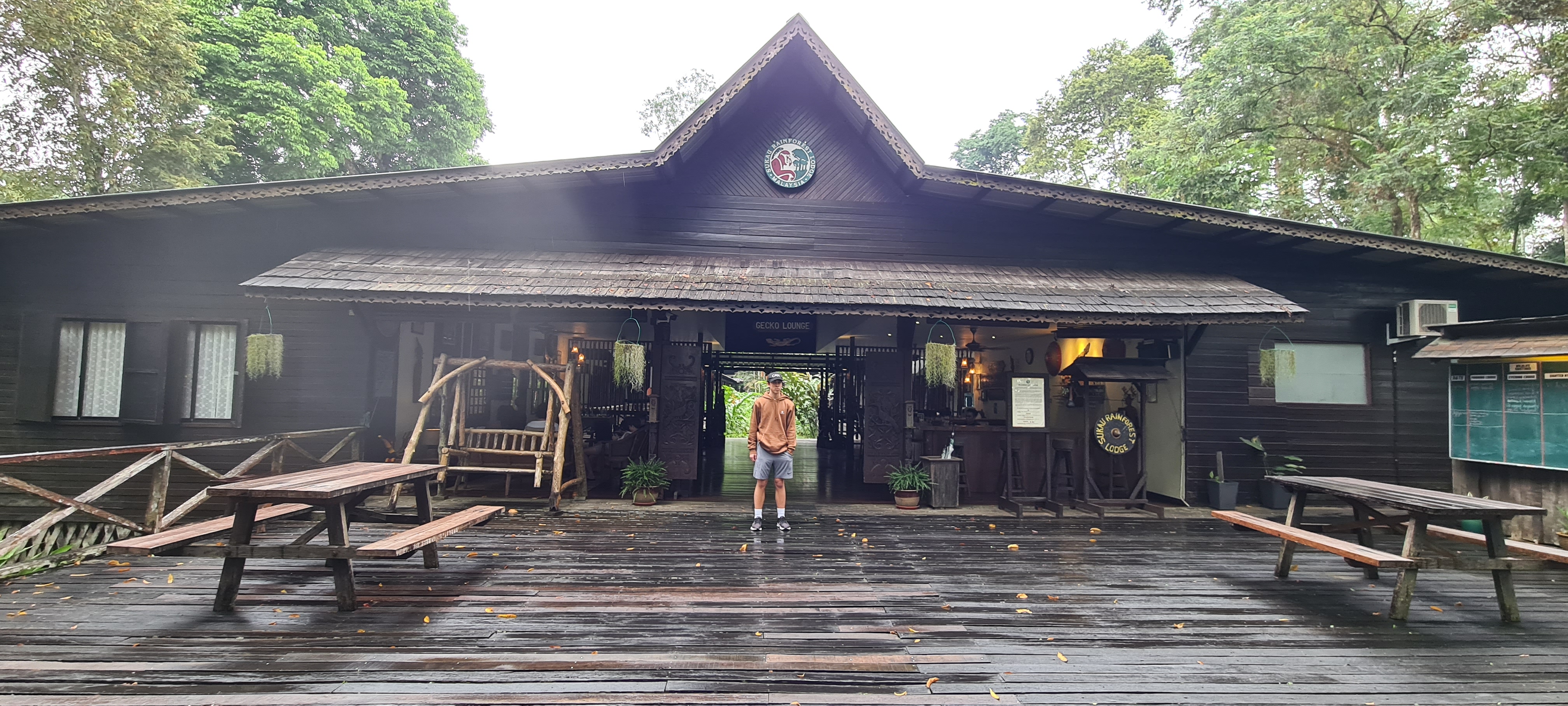

There was only a little time to get ready before our first river cruise. In total, the lodge offered three river cruises—two in the afternoon and one early morning cruise at 6 a.m. We also booked an extra nighttime cruise to observe nocturnal wildlife. Unfortunately, our planned forest hike had to be cancelled due to heavy rain.
All meals were included in the lodge stay—breakfast, lunch, afternoon tea, and dinner—and we were provided with traditional sarongs to wear in the restaurant for dinner. The food was always delicious, served buffet-style, and vegan options were available for both lunch and dinner.


During our river cruises, we saw a remarkable variety of animals. The most special sightings were the proboscis monkeys—an endangered species found only in Borneo—and huge crocodiles, some up to five meters long. Unfortunately, we didn’t manage to spot any pygmy elephants, although we did see fresh elephant tracks along the riverbank. We also encountered many other primates, including several macaque species and the adorable langurs, as well as various hornbills, other birds, monitor lizards, snakes, and Malay flying foxes (one of the largest bats in the world).
Overall, it was a wonderful experience in the heart of nature, and I would happily return. The Kinabatangan River itself was spectacular, flanked by lush rainforest on both sides. We did experience some rain every day, but that is typical for the region in February.


On the third day, after breakfast, we left the lodge and took the boat back to Sandakan. The river widened significantly as it approached the sea. The trip lasted about two and a half hours and was highly enjoyable; we even managed to spot more animals along the way.
Our day in Sandakan was also included in the tour. After a pleasant lunch, we visited the Rainforest Discovery Center, located about 20 minutes from Sandakan in the Kabili-Sepilok Forest Reserve. The center features a canopy walkway system, reaching up to 25 meters above the rainforest floor, allowing a unique perspective on the treetop ecosystem.


After exploring the beautiful Borneo rainforest, we headed straight to the airport to leave the wilderness behind. We took a very short flight—about 30 minutes in the air—from Sandakan to Kota Kinabalu, the capital of Sabah state.
Although we only had about 24 hours in Kota Kinabalu, we really enjoyed the town. It is by the sea, with an old village where houses are built over the water, a vibrant market, and good restaurants. We stayed at the Mercure Kota Kinabalu, conveniently within walking distance of several sights. The city seemed to be a gateway to outdoor adventures, including Mount Kinabalu hiking trips and snorkeling excursions to the nearby islands. We didn’t have time for either this visit, but it certainly gives us a reason to return.


Houses on the water


View from the rooftop bar of Mercure Kota Kinabalu Hotel

Penang Island and Kuala Lumpur
The next stop on our trip was Penang Island, bringing us back to mainland Malaysia. The flight from Kota Kinabalu to Penang took nearly three hours. We arrived late in the evening, and the drive from the airport to our hotel took about an hour.
We had chosen the Hilton Resort in the beachside area of Batu Ferringhi for our stay. After our intense days in Borneo, we wanted some time to relax by the sea before heading back to Kuala Lumpur. The resort itself was very comfortable, with spacious rooms, a lovely pool, and excellent breakfast options. However, it wasn’t within walking distance of shops or restaurants, so we relied on Grab taxis to get around. In hindsight, for a future stay in Penang, I would probably choose George Town to be closer to the city’s sights and vibrant streets.
Pool at the Hilton Batu Ferringhi


Although the weather in Penang was much hotter than in Borneo, making walking around the city more tiring, we were eager to explore this UNESCO World Heritage site. Our first stop was the Clan Jetties—historic Chinese villages built on long wooden piers over the water. Each jetty still maintains traditional Chinese culture and customs, with a small temple at the entrance and another at the far end, facing the sea to bring good fortune to the residents.


We also used our time in Penang to simply relax at the hotel—reading by the pool, enjoying a massage, taking walks along the beach, and just unwinding before heading back to the bustling city of Kuala Lumpur.
Instead of flying, we decided to take the train back to Kuala Lumpur. The train departs from Butterworth station on the mainland, which is easily accessible via Penang’s two bridges. Our train left at 7 a.m., so we had an early start—the taxi ride from our hotel to the station took about an hour. The train was modern and comfortable, and the journey took just over four hours, arriving at KL Sentral station.
For our last two days in Malaysia, we stayed at the Sheraton Imperial Kuala Lumpur. The hotel was nice—although slightly dated—but our club rooms with lounge access were spacious and comfortable. The swimming pool was great, though the spa could have used a bit of updating. We enjoyed the breakfast variety, although the Hilton Penang’s buffet was still our favorite. The club lounge was convenient but often busy at drinks time, with not enough tables for everyone.
The hotel’s central location was ideal, but due to the heat and traffic, we found it easier to get around via the monorail, with Medan Tuanku station just outside the hotel. The monorail proved a quick and efficient way to explore central Kuala Lumpur, often better than taking a taxi in the city’s busy traffic.


Doha
On our way back, we had a 12-hour layover in Doha. We didn’t want to spend all that time at the airport, so we decided to visit the city. To enter Qatar, all visitors must have travel insurance. Although we already had three policies (two through credit cards and an additional one I usually buy before long-haul trips), the only insurance accepted was a local one, which could conveniently be purchased at the airport for USD 25 per person. We treated it as a visa cost and went along with it.
It was easy to access the old town and souq area from the airport by metro. We enjoyed a pleasant walk, grabbed a small bite to eat, and did some shopping at the souqs—I always tend to buy pashminas or scarves during our travels. We’ve now been to Doha twice: once to explore the modern part of the city and once to see the old town. While we love flying with Qatar Airways, I would prefer shorter layovers in the future. I feel we’ve seen Doha already and don’t really need to return.


